Asthma Worse After Moving Into a New Flat? A Singapore Guide
23 June 2026 · 4 min read
Asthma flares after moving into a new BTO or condo are typically triggered by formaldehyde, TVOCs, and dust mite allergens released during renovation. Here is the action plan.
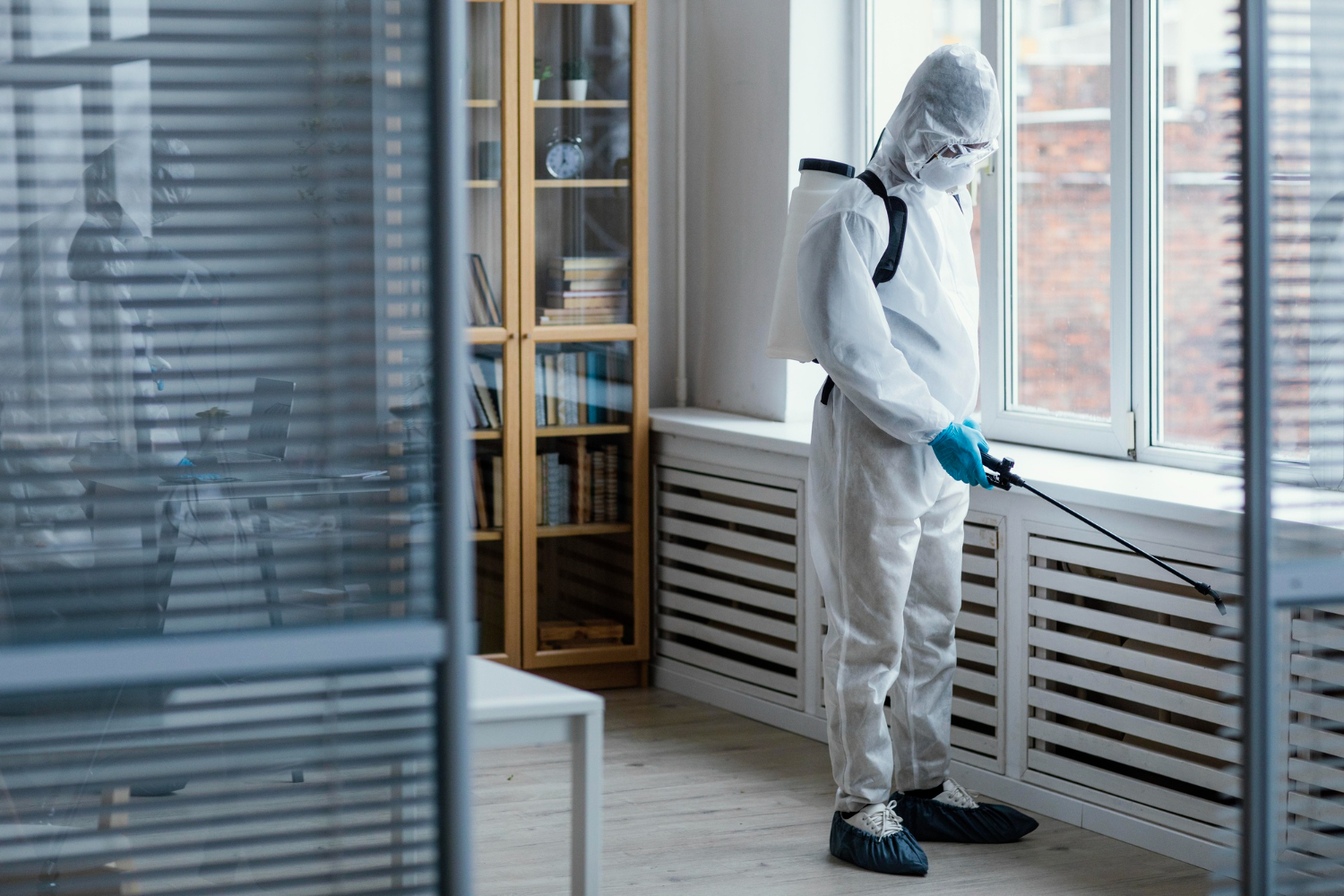
TL;DR: If your asthma is flaring more frequently or your inhaler feels less effective since moving into a new flat, the trigger is almost certainly indoor formaldehyde, TVOCs, and dust released during renovation. The fix is source-level VOC removal and bedroom ventilation, with measurable symptom reduction typically within 2 to 4 weeks.
The 60-second answer
Asthma flares after a move into a new BTO, renovated HDB, or freshly fitted-out condo follow a recognisable pattern: peak symptoms in the first 6 to 12 months, particularly overnight in the master bedroom, with reduced inhaler effectiveness. The cause is the combination of:
- Formaldehyde from new built-in carpentry, paint, mattresses, and laminate flooring at 3 to 10x WHO guideline (irritant trigger)
- TVOCs including BTEX from paint solvents (additional irritant load)
- Dust mite allergens disturbed during renovation, scattered across newly accessible surfaces (allergic trigger)
Asthma sufferers react below the WHO 0.1 mg/m³ formaldehyde guideline. Most new flats are well above this level overnight. The result is sustained airway inflammation that the standard maintenance inhaler regimen was not designed to suppress.
How indoor-air-triggered asthma differs from typical patterns
Five clinical clues:
- Reliever inhaler less effective than usual. Same dose, same technique, less symptom relief at home than at work or outdoors.
- Symptoms worst on waking. Overnight VOC accumulation peaks just before morning, producing the wake-up cough or chest tightness.
- Improvement with location change. Symptoms ease at the office, fully resolve on a hotel night out of the flat, return within 24 hours of coming back.
- Reduced response to allergen avoidance. Standard dust-mite, pollen, and pet measures help less than expected because the trigger is irritant rather than allergic.
- Multi-symptom pattern. Wheezing plus persistent cough, scratchy throat, and morning headaches all together. Indoor air triggers the whole upper- and lower-airway system simultaneously.
If three or more match, indoor air is the dominant asthma trigger.
Why Singapore homes amplify asthma triggers
Three factors:
- High built-in carpentry density per flat. Singapore HDB and BTO floor plans concentrate emission sources. Air volume per VOC source is smaller than markets with larger homes.
- Year-round aircon-on, windows-shut sleep. 7 to 9 hours of cumulative overnight exposure every day of the year. No seasonal escape.
- Tropical heat doubles emission. Formaldehyde release roughly doubles for every 7°C rise. A 32°C bedroom emits at 2 to 4x the rate of European safety-test conditions.
A 4-week action plan for new-flat asthma
If you have just moved into a new BTO or freshly renovated home and your asthma is flaring:
Week 1: Diagnostic baseline
- Document your symptoms (frequency, severity, location, time of day) for 7 days
- Note inhaler usage and effectiveness
- Compare with how you felt 30 days before move-in
Week 2: Free interventions
- Crack a bedroom window 1 to 2 cm overnight, every night
- Run a HEPA + activated carbon purifier in the bedroom 24/7 (S$300-800 unit)
- Open every cabinet door when you are not home
- Wash all bedding in hot water and sun-dry; replace pillows if older than 2 years
Week 3: Professional assessment
- See your respiratory doctor; confirm baseline asthma control plan and rule out other causes
- Book an indoor air quality test (calibrated formaldehyde and CO2)
Week 4: Source-level treatment
- If readings confirm elevated formaldehyde or TVOC, schedule professional formaldehyde removal
- Plan re-test 72 hours post-treatment to verify the reduction
Most asthma-prone clients see meaningful improvement in flare frequency within 2 to 4 weeks of source-level treatment.
When to escalate immediately
Some scenarios warrant moving to professional treatment without a wait-and-see period:
- Severe asthma diagnosis pre-existing. Stage 3 or 4 asthma, prior hospitalisations, or oral steroid dependence. Cumulative VOC exposure is too high a risk to delay.
- Children with diagnosed asthma in the household. Paediatric asthma is amplified by indoor VOCs more than adult asthma; treat the bedroom and play areas before they spend extended time there.
- Pregnancy with asthma. Both maternal and developmental risks; the timeline does not allow waiting.
- Inhaler use frequency doubled or tripled since moving. Quantitative signal that the environment has shifted the baseline.
For source-level treatment that addresses the underlying VOC emission, see formaldehyde removal services. For related symptoms that commonly accompany an asthma flare in a new flat: wheezing and chest tightness at home, persistent cough at home, and burning nose and throat.
Sources
- Rumchev, K. et al. Domestic exposure to formaldehyde significantly increases the risk of asthma in young children. European Respiratory Journal, 2002.
- World Health Organization. Guidelines for Indoor Air Quality: Selected Pollutants. WHO Regional Office for Europe, 2010.
- Bornehag, C.G. et al. The association between asthma and allergic symptoms in children and phthalates in house dust. Environmental Health Perspectives, 2004.
- Hulin, M. et al. Respiratory health and indoor air pollutants based on quantitative exposure assessments. European Respiratory Journal, 2012.
Frequently asked questions
Can a new flat trigger asthma even if my asthma was controlled before?
Yes. New BTO and renovated condo flats concentrate three known asthma triggers: formaldehyde and TVOCs from carpentry and paint (irritant), dust mite allergens released during construction (allergic), and elevated bedroom CO2 from sealed sleeping (compounding factor). Many asthma sufferers who were stable for years experience flares within weeks of moving in. The trigger is environmental, not a regression of the underlying condition.
Why does my inhaler feel less effective at home?
Bronchodilators (Ventolin, Symbicort) are most effective against allergic and exercise-induced bronchoconstriction. Irritant-induced bronchoconstriction from formaldehyde works through a partly different pathway and responds less reliably to standard inhalers. If your usual reliever feels weaker at home but normal at the office or gym, the trigger is environmental, not a tolerance problem.
What WHO/NEA threshold is dangerous for asthma sufferers?
WHO indoor formaldehyde guideline is 0.1 mg/m3 for the general population. Asthma sufferers react below this line, often at 0.05 to 0.08 mg/m3. Most newly renovated Singapore bedrooms measure 0.3 to 0.5 mg/m3 overnight, putting asthma-prone residents 4 to 10x above their personal trigger threshold for the longest exposure window of the day.
Should I delay moving in if I have asthma?
If possible, yes. The standard advice is to ventilate the empty flat for 4 to 6 weeks before move-in, which reduces peak VOC exposure by 30 to 50 percent. For asthma sufferers, longer is better. If timing is fixed, source-level formaldehyde removal before move-in compresses the safe-occupancy timeline from months to days.
What about my children with asthma?
Children with asthma react more strongly to indoor VOCs than adults. The Rumchev et al cohort study (European Respiratory Journal, 2002) found significantly increased asthma incidence and severity in homes with elevated formaldehyde. For children with existing asthma diagnoses, treat the bedroom and play areas before they spend extended time in the new flat. This is a high-priority booking we handle for family clients.
Can my asthma get permanently worse from a new flat?
Short-term flares from a few months of elevated VOC exposure typically resolve fully once exposure drops. Chronic high-level exposure over a year or more is associated with worsening baseline asthma control. The honest answer is that you should not wait it out: if asthma is consistently flaring at home, treat the source rather than letting cumulative exposure build.
Related Articles


Worried About Your Indoor Air Quality?
Get a free site inspection and air quality assessment. We'll show you exactly what's in your air — and how to fix it.