Brain Fog in a New Flat: Why You Cannot Concentrate at Home
29 June 2026 · 4 min read
Difficulty concentrating, mental fatigue, and brain fog after moving into a new flat is your nervous system reacting to indoor formaldehyde and TVOCs. Here is why.
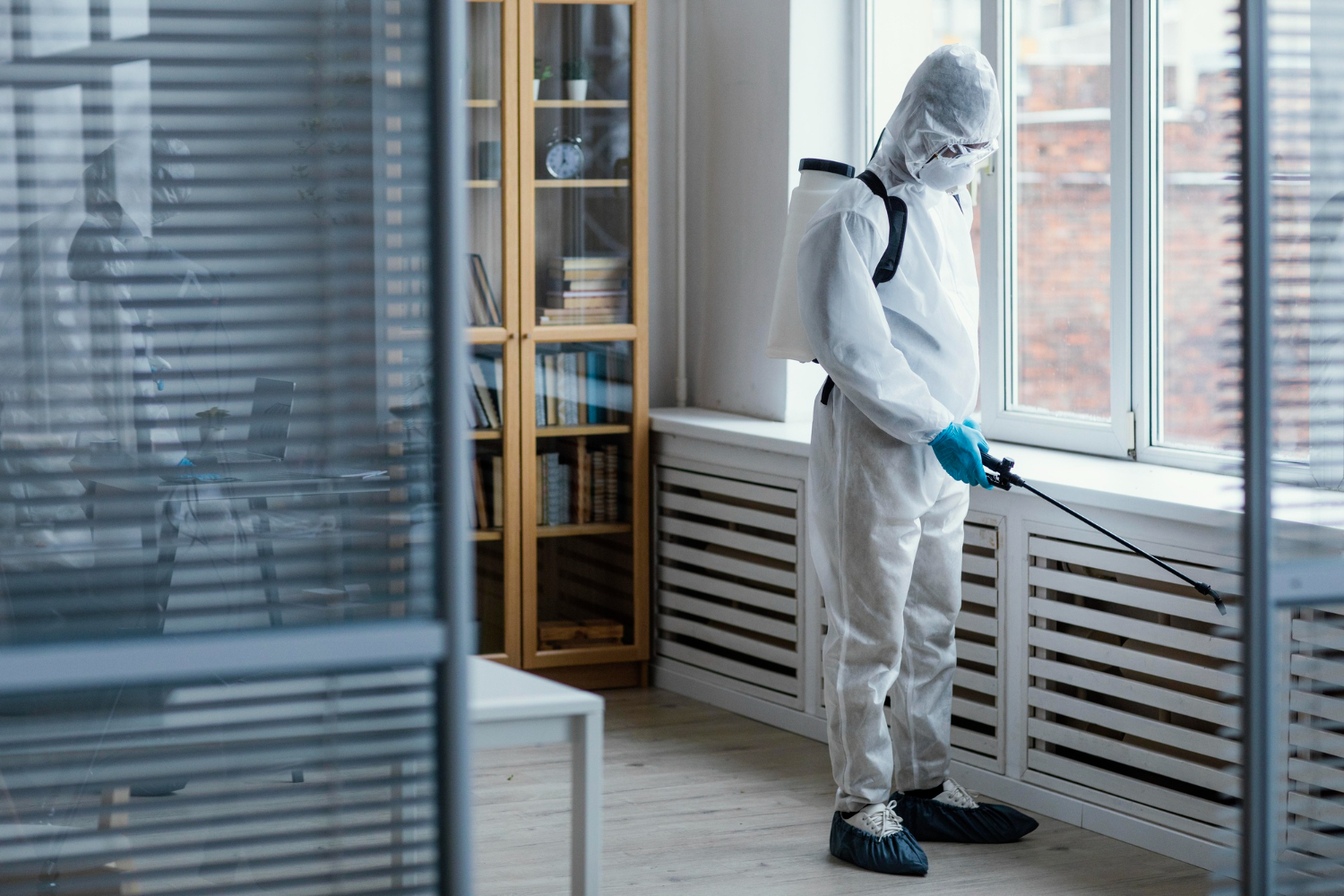
TL;DR: Brain fog and concentration problems at home but not at work are usually caused by elevated indoor formaldehyde, TVOCs, and CO₂ in a sealed Singapore bedroom or living space. The mechanism is well documented in cognitive performance research; the fix is bedroom ventilation plus source-level VOC removal.
The 60-second answer
Two indoor air pollutants drive cognitive fog: VOCs (especially formaldehyde) and CO₂. A Harvard study (Allen et al, Environmental Health Perspectives, 2016) showed that cognitive performance scores improved by 61 to 101 percent when indoor air conditions moved from typical office levels to enhanced ventilation with reduced VOCs and CO₂. The same physiology applies in your home.
In Singapore, the worst-case bedroom is sealed for 7 to 9 hours every night with aircon recirculating air. CO₂ climbs from outdoor 420 ppm to 1500 to 2500 ppm by morning. Formaldehyde from carpentry and mattress foam accumulates over the same window. You wake up in a room with both pollutants near their daily maximum, which is why the fog is worst right after you get out of bed.
What does cognitive fog from indoor air feel like
Distinct from other causes, the pattern is:
- Worst on waking, eases through the morning. Counter to the “I just need coffee” feeling, this fog persists 1 to 3 hours past waking and only fades after fresh-air exposure or leaving the flat.
- Heavy-headed quality. Subjectively a feeling of pressure or congestion in the forehead and behind the eyes, not just tiredness.
- Slow word retrieval and focus. Tasks that need decision-making take noticeably longer; reading retention drops.
- Improves at the office or outdoors within hours. This is the diagnostic clue. If the fog clears once you walk out the door, the home environment is the variable.
If at least three of these match, brain fog from indoor air is the strongest hypothesis.
Why it concentrates in newly renovated Singapore flats
Three factors:
- High VOC source density. New built-in carpentry, fresh paint, laminate flooring, and new mattresses all emit at peak rates simultaneously in a freshly renovated flat. Total airborne VOC load is 3 to 10 times an older flat.
- Sealed sleeping environment. Singapore households run aircon at night with windows shut. CO₂ and VOCs both accumulate during the longest exposure window of the day.
- Tropical heat accelerates emission. Formaldehyde release doubles for every 7°C rise. A bedroom that hits 32°C in the late afternoon emits faster than the 22°C lab the safety data is from.
The CO₂ test you can run yourself
A cheap CO₂ monitor (S$50 to S$100 from any electronics store) tells you objectively how sealed your bedroom is.
- Outdoor air: about 420 ppm
- Well-ventilated room: 600 to 800 ppm
- Sealed bedroom, aircon-on, door closed, 8 hours overnight: typically 1500 to 2500 ppm
If your bedroom morning CO₂ is above 1000 ppm, your room is not exchanging air with outdoors. Whatever VOCs are also in the room (formaldehyde, mattress foam VOCs) accumulate alongside the CO₂. Both contribute to the morning fog.
Three changes to try this week
- Crack a bedroom window 1 to 2 cm all night. Costs maybe 15 percent more on the electricity bill but materially drops both CO₂ and VOC accumulation. Most clients notice the morning fog ease within 3 nights.
- Sleep with the bedroom door open and a small inline fan running. Even more effective than a cracked window if the rest of the flat has windows open.
- Move your face away from the wardrobe wall. If your bed is against a built-in wardrobe, the highest-concentration source is 30 cm from your head all night. Sleeping at the opposite wall halves your local exposure.
These are diagnostic. If the morning fog noticeably eases, the home environment was the cause and you can plan a longer-term fix.
When to escalate
Three triggers for testing rather than continuing to wait it out:
- Brain fog persists past week 6 despite ventilation changes and a clean medical workup
- Vulnerable household members (pregnant, infants, elderly with cognitive conditions, anyone who needs to perform demanding work from home)
- Multiple cognitive and physical symptoms together (fog plus headaches, fatigue, scratchy throat, sneezing) — the multi-symptom pattern is diagnostic of elevated indoor pollutants
For source-level treatment that addresses the underlying VOC emission, see formaldehyde removal services and VOC removal services. For related symptoms that often accompany brain fog: headaches in new BTOs, constant fatigue at home, and burning nose and throat.
Sources
- Allen, J.G. et al. Associations of Cognitive Function Scores with Carbon Dioxide, Ventilation, and Volatile Organic Compound Exposures in Office Workers. Environmental Health Perspectives, 2016.
- World Health Organization. Guidelines for Indoor Air Quality: Selected Pollutants. WHO Regional Office for Europe, 2010.
- Satish, U. et al. Is CO₂ an Indoor Pollutant? Direct Effects of Low-to-Moderate CO₂ Concentrations on Human Decision-Making Performance. Environmental Health Perspectives, 2012.
- ATSDR. Toxicological Profile for Formaldehyde. U.S. Department of Health and Human Services, 2017.
Frequently asked questions
Can indoor air quality really cause brain fog?
Yes, with strong evidence. Studies in BTU/CO₂-controlled environments show measurable cognitive performance drops at TVOC and formaldehyde levels common in newly renovated Singapore flats. A landmark Harvard study (Allen et al, 2016) demonstrated that lowering indoor VOC and CO₂ in offices improved cognitive function scores by 61 to 101 percent. Brain fog at home is a real, documented response to elevated indoor air pollution.
How do I tell brain fog from indoor air vs medical causes?
The location-dependent pattern is the strongest signal. Brain fog from anaemia, thyroid issues, sleep deprivation, or medication is constant regardless of location. Brain fog from indoor air is worse at home (especially mornings after a sealed-aircon-on night), eases within 1 to 3 hours of leaving, and improves on weekends spent out of the flat. If a clean medical workup leaves the symptom unexplained but the location pattern holds, the home is the cause.
What is the mechanism behind VOC-induced brain fog?
Two pathways. First, formaldehyde and other VOCs irritate the trigeminal nerve, triggering neurogenic inflammation that affects nearby cranial vessels and produces the heavy-headed feeling. Second, sealed bedrooms with aircon-on-overnight see CO₂ rise to 1500 to 2500 ppm by morning, which directly impairs decision-making and concentration. The two effects compound: irritated airway plus elevated CO₂ produces the classic morning fog.
Why is it worse in the morning?
Because Singapore bedrooms are sealed for 7 to 9 hours overnight with the aircon recirculating but not exchanging air with outdoors. VOCs and CO₂ both accumulate during this window, peaking just before you wake. The first hour after waking is the highest-exposure hour of the 24-hour cycle, which is exactly when most people notice the brain fog and difficulty getting started.
Will an air purifier improve concentration?
Partly. A HEPA + activated carbon purifier reduces particulate and short-term formaldehyde load while running. It does nothing for CO₂. The most effective single change is bedroom ventilation: cracking a window 1 to 2 cm overnight or running a small inline ventilator drops both CO₂ and accumulated VOCs. Source-level formaldehyde removal addresses the chronic emission rather than just the room air.
Should I see a doctor first?
If the brain fog has been going on for more than 4 weeks, yes, get a clinical workup to rule out thyroid, anaemia, sleep apnea, depression, and post-viral fatigue. Bring a record of when it started, your move-in or renovation date, and the location pattern. If the medical workup is clean, indoor air is the next thing to investigate, and an air quality test gives you objective data to act on.
Related Articles
Worried About Your Indoor Air Quality?
Get a free site inspection and air quality assessment. We'll show you exactly what's in your air — and how to fix it.